Goals fit real routines
Priorities connect with communication, learning, play, and daily life.

Now Serving ConnecticutAlso serving Miami-Dade & Broward, Florida
Individualized in-home and school support
Guardians Therapy Services supports practical communication, social, learning, play, and daily living skills through goals shaped by each child’s needs and the family’s priorities.
Servicios en Español Miami-Dade & Broward
Now serving
Connecticut—plus Miami-Dade and Broward, Florida
Care built around your child
Goals are tied to real routines and useful skills. Families should understand what is being taught, why it matters, and how progress is reviewed.
Priorities connect with communication, learning, play, and daily life.
Goals and teaching strategies are discussed in clear, useful language.
Observation and data help guide updates as a child’s needs change.
Care in familiar moments
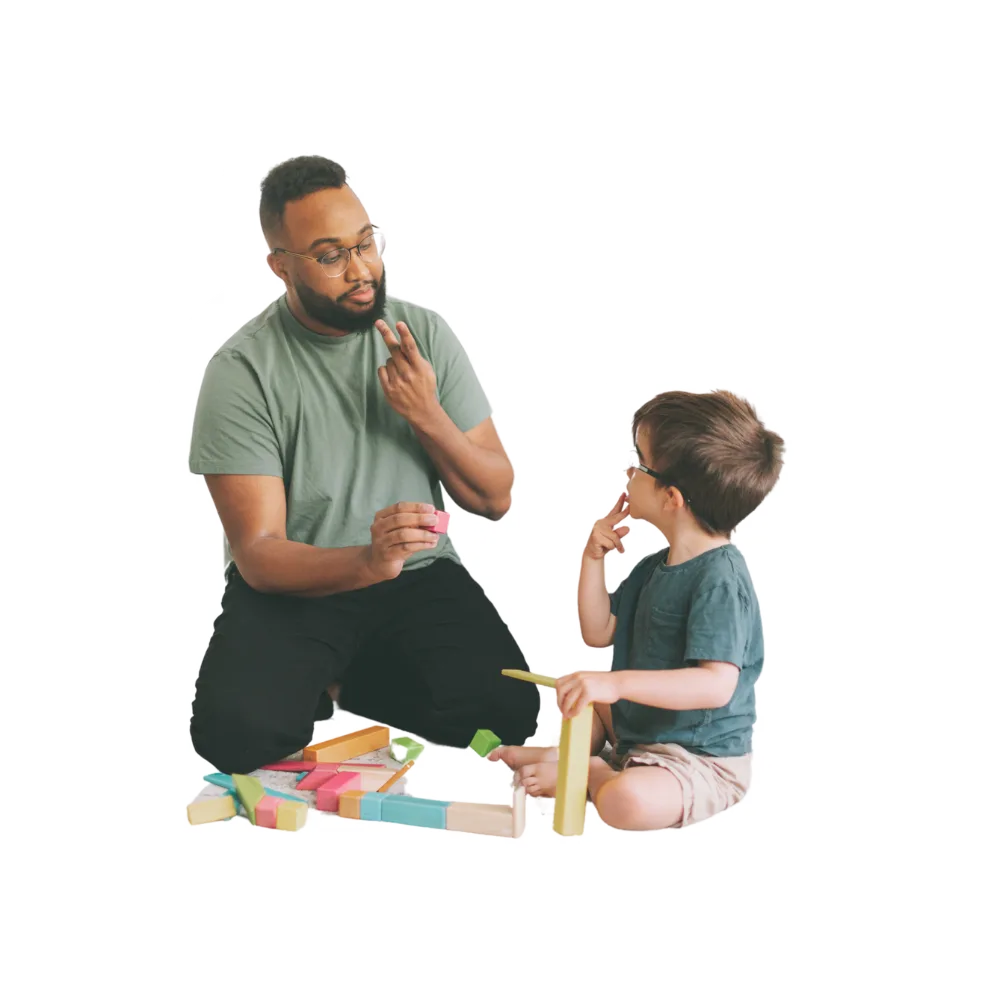
See how play and familiar routines can create natural opportunities to practice communication, participation, and practical skills.
This video includes narration and on-screen captions. Playback starts only when you choose Play.
An animated scene shows a therapist and child practicing skills through play in a comfortable home setting. The video introduces Guardians Therapy Services’ family-centered approach and invites families to contact the care team with questions.
A practical guide to ABA
Explore six ideas families can use to understand ABA services, ask informed questions, and connect goals with everyday life.
Start with observation
Applied Behavior Analysis examines how learning and the environment relate to behavior. The goal is to understand what a skill looks like now, teach it in manageable steps, and review whether the approach is helping.
Look beyond the moment
An A-B-C observation organizes what happened before a behavior, the observable behavior itself, and what followed. It is a starting point for asking better questions—not a conclusion about why something happened.
Make useful skills worth practicing
Positive reinforcement adds something meaningful after a skill or behavior so that it is more likely to occur again. What is motivating can differ from child to child and may change over time.
Connect teaching with daily life
Teaching can happen during play, meals, transitions, self-care, learning activities, and community routines. Practice across relevant settings can help a skill become more useful where it matters.
Keep goals understandable
Families can share which routines and skills matter most. Clear goals, direct observation, data, and caregiver feedback help a clinical team decide whether to continue, adjust, or replace a teaching strategy.
Ask how care respects the person
Families can ask how goals support safety, communication, independence, participation, and quality of life. Ethical planning should consider preferences, assent when possible, privacy, the least restrictive effective approach, and whether a goal is truly meaningful.
Connecticut and Florida service areas
Guardians is now accepting service inquiries throughout Connecticut. Established Florida service areas include Miami-Dade and Broward counties.
Service availability depends on location, staffing, eligibility, insurance requirements, and the needs identified during intake. Connecticut is a statewide service area, not a published office address.
Individualized ABA goals
An assessment helps the clinical team and family choose appropriate priorities. A child’s program may include some of the following areas.
Teaching practical ways to ask, respond, make choices, and express needs.
Support for turn-taking, shared activities, social cues, and positive interactions.
Step-by-step learning for routines such as dressing, hygiene, meals, and transitions.
Skills that can support attention, classroom routines, directions, and asking for a break.
Building flexible, enjoyable play and participation in age-appropriate activities.
Teaching useful alternatives that help a child handle needs, changes, and difficult moments.
Support connected to everyday life
The right setting and priorities depend on the child, family, clinical recommendations, permissions, availability, and insurance requirements.
Practice communication, transitions, play, self-care, and other useful skills within familiar family routines.
Explore in-home ABAWhen permissions and care plans support it, consultation can address classroom routines, participation, transitions, and learning strategies.
Ask about school supportCaregivers receive clear explanations and practical strategies connected with the child’s goals and everyday routines.
Discuss caregiver supportIndividualized goals may support dressing, hygiene, mealtime routines, choices, community participation, and increasing independence.
Learn about practical goalsParent and caregiver collaboration
ABA works best when goals are understandable and strategies fit the child’s routines. Caregiver input helps keep the work practical.
Families help identify the routines and skills that would make the biggest difference at home, school, and in the community.
Parents and caregivers receive clear explanations so they can understand the goal, the teaching approach, and what progress looks like.
Observation, data, and family feedback help the team decide when to adjust a strategy or move to a new goal.
Insurance and eligibility
Insurance plans have different clinical documentation, benefits, and authorization requirements. Our care team can explain the verification process and the next step for your family.
A clear path forward
Every family’s path is different. These six stages explain the usual intake and care process without promising coverage, timing, or a specific outcome.
Share your child’s age, location, current priorities, and the questions you want the care team to answer.
The care team explains benefits verification and authorization steps. Coverage and family costs depend on the individual plan.
Available information, direct observation, and family input help the clinical team understand strengths, needs, and meaningful routines.
Recommended goals connect with communication, learning, play, self-care, transitions, and the family’s priorities.
When services are authorized and available, the individualized program begins in the appropriate home or school setting.
Observation, data, and family feedback help the team review progress and update strategies as needs and skills change.
Common questions
Clear answers about ages, locations, in-home services, insurance, and the intake process.
Applied Behavior Analysis is an evidence-based approach that uses observation, measurable goals, teaching strategies, practice, and positive reinforcement to build useful skills.
Guardians provides ABA support for children and young people from birth through age 21. Contact the care team to discuss age, eligibility, location, and service availability.
Guardians is now serving families throughout Connecticut. Established Florida service areas include Miami-Dade and Broward counties. Availability varies, so families should confirm their location with the care team.
Yes. In-home ABA connects teaching with familiar routines and daily activities. Guardians also offers school consultation when the setting, permissions, and care plan support it.
The care team can explain benefits-verification and authorization steps. Coverage, authorization, and family costs depend on the individual insurance plan and are not guaranteed.
Request a free consultation or call (305) 575-9997. Share your child’s age, general needs, location, and insurance questions so the team can explain the appropriate next step.
Learn before you decide
Read about everyday skills, service settings, insurance steps, and what happens during intake.
Consultation, assessment, goals, authorization, and ongoing communication.
Read the guideWhy practice across familiar routines can help skills become more useful.
Read the guideWhat to share, how to confirm availability, and which questions to ask.
Read the guideStart with your questions
Tell us your child’s age, location, and the support you are looking for. The care team can explain availability, eligibility, insurance steps, and what comes next.
Our care team will follow up to answer questions and discuss eligibility.
For an emergency, call 911. This guide does not provide medical or crisis advice.
A simple first step
Our care team can answer questions about services, eligibility, and insurance.